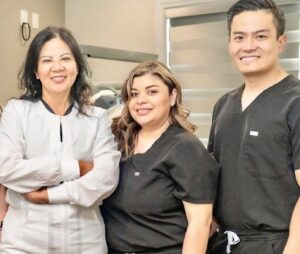
At Titan Dental, Dr. Thuy B. Le, a Diamond + Invisalign Provider, is committed to providing exceptional dental care, focusing on personalized and compassionate treatment. She strives to create a comfortable and welcoming environment for every patient, ensuring that each visit is tailored to meet individual needs and promote optimal oral health. Dr. Le’s dedication to using the latest dental technologies and adhering to the highest standards of safety and hygiene reflects her unwavering commitment to the well-being and satisfaction of her patients. Trust Dr. Le and the Titan Dental team to help you achieve and maintain a beautiful, healthy smile.
Introduction
A smile does more than show teeth. It carries confidence into conversations, comfort into meals, and ease into everyday moments. When teeth are missing, that balance can feel disrupted in subtle ways. Some people notice it first when chewing becomes uneven. Others feel it when speaking or smiling in photos. Over time, the question becomes less about appearance and more about how to restore normal life.
At Titan Dental, Dr. Thuy B. Le often frames the decision between dental implants and dentures as a long-term lifestyle choice rather than a quick fix. Both options replace missing teeth, but they behave very differently over the years. This blog explores how those differences show up in real life, especially when thinking about stability, comfort, and daily routines.
The Everyday Reality of Tooth Replacement
Living with missing teeth rarely feels dramatic at first. The changes tend to slip in quietly. You may start chewing on one side without realizing it. Foods that once felt effortless become “occasional” choices. Even conversations can feel slightly more measured, as confidence adjusts around what feels different in your mouth. Over time, these small shifts add up, affecting comfort, habits, and how naturally you move through daily life.
Tooth replacement is ultimately about restoring balance. The right solution should support your routine, not interrupt it. It should allow you to eat, speak, and smile without having to think twice or make constant adjustments throughout the day.
Dentures have helped generations regain basic function and remain a reliable option for many people. Because they rest on the gums and can be removed for cleaning, they offer flexibility, but they also rely on tissues that naturally change over time. As the mouth adapts, dentures may need adjustments to maintain comfort and fit, becoming something patients learn to manage as part of daily life.
Dental implants work differently. They are placed into the jaw and function like anchored roots, creating a stable foundation that becomes part of the mouth itself. Dr. Thuy B. Le often explains that this difference in foundation shapes everything that follows, from how confidently you chew to how naturally you speak. With implants, daily life tends to feel more familiar again, allowing tooth replacement to fade into the background rather than becoming something you constantly have to think about.
Stability Over Time: Why Foundations Matter
Dentures rely on gum support, which naturally changes over time. As the jawbone shifts after tooth loss, dentures may loosen and require relining or replacement. Many denture wearers adapt, but ongoing adjustments are part of the experience.
Dental implants integrate with the jawbone, creating a stable base that does not shift during daily use. This stability supports chewing, speaking, and confidence without the need for adhesives. For patients thinking long-term, this foundation often becomes the deciding factor.
Comfort at the Table: How Each Option Feels When Eating
Food is central to daily enjoyment and social connection. Dentures can restore chewing ability, but some patients report movement or pressure when eating firmer foods. Over time, this can influence food choices.
Implants restore bite strength closer to natural teeth. This allows patients to enjoy a wider range of textures and temperatures without hesitation. Many patients describe Eating comfortably with dental implants as one of the most noticeable quality-of-life improvements after treatment.
Winter meals, in particular, highlight these differences. Warm soups, roasted vegetables, and hearty seasonal dishes are easier to enjoy when chewing feels secure. The Benefits of dental implants for winter meals often become clear during family gatherings and holidays when food variety matters most.
Seasonal Care and Consistency
Colder months bring routine changes. Schedules shift, travel increases, and meals become richer. Dental implant care during holidays focuses on consistency rather than restriction. Dr. Thuy B. Le encourages patients to maintain regular cleaning habits and stay mindful of gum health during busy seasons.
Implants do not require removal or special storage, which simplifies daily routines. With steady habits, implants remain comfortable and functional year-round.
Gum Health as the Silent Support System
Healthy gums are essential for any tooth replacement. Dentures rest directly on gum tissue, which can become irritated over time if fit changes. Regular checkups help manage this, but sensitivity is not uncommon.
Implants stimulate the jawbone and support gum tissue naturally. Maintaining healthy gums with implants involves daily brushing, flossing, and professional cleanings. Patients often find this routine familiar and manageable because it mirrors natural tooth care.
Long-Term Maintenance: What Life Looks Like Years Later
Dentures typically need replacement every several years due to wear or changes in fit. This ongoing cycle can be expected and planned for.
Dental implants are designed for longevity. With proper care, they can last decades. Implant care advice from Dr. Thuy B. Le centers on consistency rather than complexity. Regular dental visits and good home care support long-term success without added steps.
Speech, Confidence, and Daily Ease
Speech clarity can be affected when dentures shift slightly during conversation. While many patients adapt, it can require adjustment.
Implants remain fixed, allowing natural speech patterns to return quickly. Patients often report feeling more at ease in professional and social settings because there is nothing to adjust or worry about mid-conversation.
Bone Health and Facial Support
After tooth loss, the jawbone can gradually shrink due to lack of stimulation. Dentures do not prevent this process, which may affect facial structure over time.
Implants help preserve bone by mimicking natural tooth roots. This support contributes to facial balance and long-term oral health, an aspect Dr. Thuy B. Le emphasizes when discussing future-focused care.
A Note on Aligners and Daily Wear
For patients undergoing alignment treatment alongside restorative care, clear aligners should be worn all the time, except for oral hygiene. Consistency supports predictable progress and overall oral stability during treatment planning.
Financial Perspective: Thinking Beyond the First Step
Dentures often have a lower initial cost, which can be appealing. However, maintenance, adjustments, and replacements add up over time.
Dental implants involve a higher upfront investment but may reduce long-term costs related to replacements and ongoing adjustments. Many patients appreciate the predictability this offers when planning for the future.
Personal Recommendations from Dr. Thuy B. Le
Dr. Thuy B. Le encourages patients to think beyond the idea of simply “replacing a tooth” and instead focus on how that choice will affect their everyday life over the years. In her experience, the most satisfying outcomes come from solutions that feel natural during daily activities like eating, speaking, and social interactions, without requiring constant adjustments or special considerations.
She often explains that while dentures continue to serve an important role for certain situations, dental implants tend to better support long-term stability and comfort for patients who want a solution that blends seamlessly into their routine. Implants function as a steady foundation, allowing patients to enjoy meals, maintain consistent oral care habits, and move through daily life without worrying about movement or fit changes over time.
Dr. Thuy B. Le also emphasizes aligning treatment decisions with personal lifestyle and future goals. For patients looking for a dependable, low-maintenance option that supports confident chewing, clear speech, and ongoing oral health, she frequently finds that dental implants provide a sense of normalcy and reliability that many patients value well beyond the initial treatment phase.
Key Takeaways
- Dental implants offer long-term stability that supports natural chewing and speech
- Dentures may require regular adjustments as gums and bone change
- Eating comfortably with dental implants enhances daily life and seasonal meals
- Maintaining healthy gums with implants supports lasting results
- Dental implant care during holidays focuses on routine, not restriction
FAQs
1. How long do dental implants typically last?
With proper care, dental implants can last for decades, making them a durable long-term option.
2. Are dentures still a good option for some patients?
Yes. Dentures can be effective for certain needs, especially when implants are not suitable.
3. Does winter affect implant care routines?
Seasonal changes do not alter implant care, but staying consistent during holidays is important.
4. Can implants improve chewing strength?
Yes. Implants restore bite stability closer to natural teeth than removable options.
5. How often should implant patients visit the dentist?
Regular checkups, typically every six months, help ensure gum and implant health.
We serve Santa Ana, Tustin, Tustin Foothills, Anaheim, Garden Grove, Placentia, Fullerton, Irvine, Yorba Linda, Fountain Valley, Westminster, Stanton, Costa Mesa, Brea, and Buena Park, California.
We also proudly serve the City of Orange, the City of Irvine, the City of Villa Park, and the City of Anaheim Hills, along with our neighboring communities.
Remember: Choosing between dental implants and dentures is about how you want to live each day, not just how you want to replace teeth. Long-term comfort, confidence, and consistency matter more than quick solutions.
Disclaimer: This content is for informational purposes only and does not replace personalized dental advice. Treatment decisions should always be made in consultation with a qualified dental professional.