At Titan Dental, Dr. Thuy B. Le, a Diamond + Invisalign Provider, is committed to providing exceptional dental care, focusing on personalized and compassionate treatment. She strives to create a comfortable and welcoming environment for every patient, ensuring that each visit is tailored to meet individual needs and promote optimal oral health. Dr. Le’s dedication to using the latest dental technologies and adhering to the highest standards of safety and hygiene reflects her unwavering commitment to the well-being and satisfaction of her patients. Trust Dr. Le and the Titan Dental team to help you achieve and maintain a beautiful, healthy smile.
Introduction
“How long will this actually take?”
It is the quiet question behind every consultation, every mirror check, and every hopeful smile. Invisalign is often chosen because it fits into real life, not because it promises overnight results. Understanding the timeline matters just as much as understanding the aligners themselves.
At Titan Dental, Dr. Thuy B. Le approaches Invisalign planning with clarity, not guesswork. Every timeline is shaped by biology, consistency, and thoughtful design. This blog explores exactly what influences treatment length, how progress unfolds, and what patients can realistically expect from start to finish.
This guide is written for anyone considering aligners and wanting a transparent explanation of time, commitment, and progress. The goal is simple: remove uncertainty and replace it with confidence.
Why Invisalign Timelines Are Never “One Size Fits All”
No two smiles move the same way. Teeth respond to gentle pressure at different speeds depending on spacing, alignment, bite patterns, and daily habits. That is why Invisalign treatment duration with Dr. Thuy B. Le is always individualized rather than estimated from a chart.
Some patients notice visible changes within weeks, while others experience gradual refinement over months. What stays consistent is the method: steady, planned movement supported by digital mapping and regular monitoring.
The timeline is not rushed, and it is not left to chance. It is built carefully around how teeth naturally respond to movement.
The Invisalign Timeline, Explained Like a Story
Think of Invisalign as a journey told in chapters rather than steps. Each phase has its own purpose and pace.
Chapter One: Planning the Path
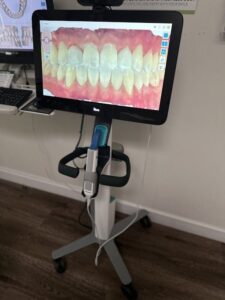
Before aligners are ever worn, the groundwork is laid. Digital scans capture precise tooth positions, allowing Dr. Le to design a full progression plan. This phase sets expectations early and eliminates surprises later.
This planning stage forms the backbone of the Dr. Thuy B. Le Invisalign timeline guide, where every movement is intentional rather than reactive.
Time investment here saves time later.
Chapter Two: Early Movement and First Changes
The first few weeks are often the most exciting. Subtle shifts begin, pressure feels new, and motivation runs high. While visible changes may be small, internal movement is already underway.
Most patients begin their Invisalign aligner schedule with Dr. Thuy B. Le wearing aligners full-time except for oral hygiene. This consistency allows teeth to respond predictably, keeping the timeline on track.
Early progress builds momentum.
Chapter Three: The Working Phase
This is where most of the timeline lives. Teeth continue moving steadily, aligners are changed according to schedule, and check-ins confirm progress.
This phase may last several months depending on individual needs. It is also where commitment matters most. Aligners work quietly in the background, but only when worn as directed.
The Average Invisalign timeline explained by Dr. Thuy B. Le often falls between 6 and 18 months, with many patients completing care closer to the middle of that range.
Chapter Four: Refinement and Precision
As alignment improves, adjustments may be made to fine-tune results. These refinements are not setbacks. They are signs of precision.
This stage ensures comfort, balance, and stability rather than rushing to the finish line.
Chapter Five: Completion and Long-Term Stability
Once alignment goals are met, the focus shifts to maintaining results. Retention protects the investment of time and effort, ensuring that progress lasts well beyond the final aligner.
The timeline does not end when aligners stop. It ends when stability begins.
What Really Influences How Long Invisalign Takes
Several factors shape the length of treatment, and none of them exist in isolation.
Starting Alignment
Mild spacing or crowding may move faster than complex positioning. The initial condition of the teeth sets the baseline for movement.
Daily Wear Habits
Aligners must be worn consistently, all the time except for oral hygiene. Irregular wear disrupts progress and extends timelines.
Biological Response
Teeth move through bone at different speeds for different people. This natural variation is respected rather than forced.
Refinement Needs
Precision takes time. Small adjustments toward the end ensure comfort and long-term success.
Each factor contributes to a timeline that feels intentional rather than arbitrary.
Why Faster Is Not Always Better
Invisalign is designed for controlled movement, not speed for the sake of speed. Teeth need time to adjust safely. Shortcuts risk discomfort or instability.
Dr. Le prioritizes steady progress over rushed results, ensuring that alignment changes feel manageable and predictable.
A well-paced timeline protects both comfort and outcomes.
Living With Invisalign Day by Day
One reason Invisalign fits into modern life is its quiet presence. Aligners work while conversations happen, meetings run long, and routines stay intact.
Wearing aligners consistently becomes second nature. Progress does not interrupt daily life. It integrates into it.
This ease is part of why patients remain committed throughout the timeline.
Technology’s Role in Timeline Accuracy
Digital planning tools allow Dr. Le to visualize outcomes before treatment begins. Adjustments are proactive rather than reactive, keeping timelines realistic.
Technology does not replace care. It enhances it by reducing uncertainty.
Common Timeline Myths, Debunked
“Everyone finishes in six months.”
Not always. Some do, many do not. Individual planning matters.
“Longer treatment means something went wrong.”
Refinements are often signs of precision, not failure.
“Missing days does not matter.”
Consistency matters more than most people realize.
Understanding these realities keeps expectations grounded.
Invisalign for Teens and Adults: Timeline Differences
Age does not automatically determine duration. Commitment and biology matter more than birthdays.
Teens often adapt quickly to wear routines. Adults often appreciate the predictability of the process. Both can experience excellent outcomes when aligners are worn consistently.
How Titan Dental Supports Timeline Success
Support extends beyond appointments. Clear instructions, realistic check-ins, and open communication keep progress moving.
Patients are never left guessing where they are in their journey. Transparency builds trust, and trust sustains commitment.
When Delays Happen and How They Are Managed
Life happens. Travel, illness, or routine changes can affect wear patterns. When delays occur, the plan adjusts without judgment.
The focus stays on long-term success rather than perfection.
The Emotional Side of the Invisalign Timeline
Progress is not just physical. Confidence grows quietly as alignment improves. Small changes add up, often noticed by the patient before anyone else.
This emotional momentum helps carry patients through the longer phases of treatment.
Looking Ahead: Invisalign Timelines in 2026 and Beyond
Advancements continue to improve planning accuracy and comfort. Timelines become more predictable, not necessarily shorter.
Precision remains the priority.
Key Takeaways
- Invisalign timelines are individualized, not standardized
- Consistent wear all the time, except for oral hygiene, keeps progress on track
- Most patients complete care within a realistic, planned timeframe
- Refinements support stability, not delays
- Clear planning builds confidence throughout treatment
FAQs
1. How long does Invisalign usually take from start to finish?
Most patients complete treatment within 6 to 18 months, depending on individual alignment needs and consistency.
2. Can my timeline change after treatment begins?
Yes. Adjustments may occur to improve comfort or precision, and these changes support long-term results.
3. Does wearing aligners longer each day speed up results?
Consistent full-time wear as instructed supports predictable progress. Irregular wear may slow it down.
4. Is Invisalign faster for adults or teens?
Timeline depends more on biology and consistency than age.
5. What happens after Invisalign is complete?
Retention maintains alignment and protects results over time.
Conclusion
Understanding how long Invisalign takes is ultimately about understanding how real progress happens. Teeth do not move on deadlines. They respond to steady, consistent pressure applied over time, supported by careful planning and daily commitment. There is no shortcut that replaces wearing aligners as directed, and no online estimate that can substitute for a plan designed specifically for your smile.
At Titan Dental, every Invisalign journey is shaped around clarity and realism. Dr. Thuy B. Le approaches treatment timelines with transparency, explaining not just how long the process may take, but why each phase matters. Progress is monitored thoughtfully, adjustments are made when needed, and patients are never left guessing where they stand in their journey. Each timeline reflects the person behind the smile, their starting point, and the pace at which their teeth naturally respond, not a generic schedule or marketing promise.
For those ready to begin, understanding the timeline removes uncertainty and replaces it with confidence. Knowing what to expect allows you to commit fully, stay consistent, and appreciate each stage of progress along the way. Invisalign is not just about reaching the final result. It is about trusting the process, staying engaged, and moving forward with confidence from the very first aligner to long-term smile stability.
We serve Santa Ana, Tustin, Tustin Foothills, Anaheim, Garden Grove, Placentia, Fullerton, Irvine, Yorba Linda, Fountain Valley, Westminster, Stanton, Costa Mesa, Brea, and Buena Park, California.
We also proudly serve the City of Orange, the City of Irvine, the City of Villa Park, and the City of Anaheim Hills, along with our neighboring communities.
Remember: Progress with Invisalign is not about racing to the finish. It is about steady movement, daily commitment, and trusting the process designed for your smile.
Disclaimer: This content is for educational purposes only and does not replace professional dental guidance. Individual treatment timelines vary based on personal oral health factors. Always consult your dental provider for personalized care recommendations.