At Titan Dental, Dr. Thuy B. Le, a Diamond + Invisalign Provider, is committed to delivering exceptional dental care with a focus on personalized, compassionate treatment. She strives to create a comfortable, welcoming environment for every patient, ensuring each visit is tailored to individual needs and promotes optimal oral health. Dr. Le’s dedication to using the latest dental technologies and adhering to the highest standards of safety and hygiene reflects her unwavering commitment to her patients’ well-being and satisfaction. Trust Dr. Le and the Titan Dental team to help you achieve and maintain a beautiful, healthy smile.
Introduction
Every smile has a starting point. For some, it begins with curiosity. For others, it starts with a mirror moment, a quiet decision to change something that has always been slightly off.
Today, that journey looks very different from it did years ago. No wires. No brackets. Just a carefully designed path that fits into your daily routine.
This is not just about straightening teeth. It is about movement, precision, consistency, and trust in a system that works quietly in the background of your life.
From the first digital scan to the moment you see your final results, the Invisalign braces journey is structured, predictable, and surprisingly personal.
The First Step: Seeing the Future Before It Begins
Before anything moves, everything is mapped.
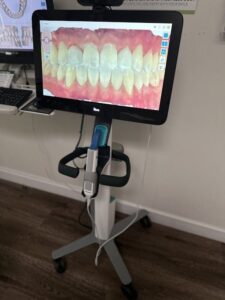
Your journey starts with a detailed scan that captures every angle of your teeth. This is not guesswork. It is a digital blueprint. Using advanced planning tools, your dentist creates a step-by-step simulation of how your teeth will shift over time.
You are not just told what will happen. You are shown.
That moment, when you see your future smile on screen, often changes everything. It turns uncertainty into clarity.
Aligners That Work Quietly in the Background
Once your plan is finalized, your aligners are created with precision. Each set is designed to move your teeth slightly, almost imperceptibly.
There is no dramatic shift overnight. Instead, there is steady, controlled progress.
Each aligner builds on the last. Each phase brings you closer.
What makes this system effective is consistency. Aligners should be worn at all times except during oral hygiene. That level of commitment is what keeps your progress on track.
Living With Aligners: Subtle Changes, Real Progress
At first, the changes are small. You may notice slight pressure. You may feel a difference in how your teeth come together.
These are signs that movement has started.
Over time, those small changes become visible. Edges begin to align. Spacing improves. Your smile starts to look more balanced.
This is where patience becomes important. The process is designed to work gradually, allowing your teeth and surrounding structures to adjust safely.
The Learning Curve: Getting Comfortable With Removal
For many people, the early days come with one unexpected challenge. Removing aligners.
It sounds simple, but the first few attempts can feel unfamiliar.
You might experience pain when removing Invisalign in the initial days. This is usually temporary and linked to the pressure your teeth are adjusting to.
Understanding how to remove Invisalign without pain becomes an important part of your routine.
Here are a few simple Invisalign aligner removal tips for beginners:
- Start from the back teeth and gently lift the aligner
- Avoid pulling from the front first
- Use slow, even pressure instead of force
- Keep your hands steady and relaxed
If your trays feel snug, you might wonder how to take off tight Invisalign trays. The key is patience, not strength. Gradual loosening works better than sudden pulling.
In some cases, Invisalign removal can cause tooth sensitivity. This is usually short-lived and improves as your teeth adapt.
Progress Checkpoints: Staying on Track
Every few weeks, your progress is reviewed. These visits are not long or complicated, but they are important.
They ensure that your teeth are moving as planned.
If adjustments are needed, they are made early. This keeps your journey smooth and predictable.
It is not about rushing. It is about staying aligned with the plan.
The Midpoint: When Changes Become Noticeable
There comes a point when the changes are no longer subtle.
You start seeing the difference in photos.
You notice it when you smile.
Others begin to see it too.
This stage often boosts motivation. It reminds you that the effort is working.
But it is also where consistency matters the most. Skipping wear time or becoming irregular can slow progress.
The system works best when you stay committed.
The Final Phase: Bringing Everything Together
As you move into the final sets of aligners, the focus shifts from movement to refinement.
Small adjustments are made to ensure your teeth settle into their ideal positions.
This phase is about precision. It ensures your final result looks natural and balanced.
Once complete, your teeth are where they need to be. But the journey does not end there.
Retention: Protecting Your New Smile
After your aligner phase is complete, retainers take over.
Teeth do not instantly lock into place. They need time to stabilize.
Retainers help maintain your results while everything settles.
Wearing them as advised ensures that your progress stays intact.
This step is often overlooked, but it is just as important as the treatment itself.
Why This Journey Feels Different
What sets this process apart is how seamlessly it fits into everyday life.
There are no major interruptions. No dramatic changes to your routine.
You continue your day as usual while your teeth gradually shift in the background.
It is structured, but flexible. Controlled, but comfortable.
And most importantly, it is designed around you.
Common Experiences Along the Way
Every journey comes with small moments of adjustment. These are not setbacks. They are part of how the process works and often a sign that everything is moving in the right direction.
You may notice slight pressure when switching to a new aligner. This feeling usually lasts for a day or two and simply means your teeth are responding to the next phase of movement. It is a controlled shift, not something sudden or harmful.
You may experience temporary sensitivity, especially as your teeth adjust to a new set. This can make everyday actions feel slightly different at first, but it typically settles quickly as your mouth adapts. In some cases, this sensitivity may be more noticeable during removal, especially in the early stages. Experiences like pain when removing Invisalign or mild discomfort are common and tend to improve over time.
You may also need a few days to get used to the removal techniques. At the beginning, aligners can feel snug, and figuring out how to remove Invisalign without pain takes a bit of practice. Following simple Invisalign aligner removal tips for beginners, such as starting from the back and using gentle pressure, can make the process much smoother. If your trays feel firm, understanding the best way to take off tight Invisalign trays can help you avoid unnecessary discomfort.
Some people also notice that tooth sensitivity from Invisalign removal becomes less frequent as they move further into their treatment. This is because your teeth gradually adapt to the routine of movement and removal.
All of these experiences are normal. They are part of your body, adjusting to a structured and carefully planned process. Rather than being something to worry about, they are signs that your treatment is active, responsive, and progressing exactly as intended.
Key Takeaways
- Your Invisalign journey is planned digitally before it begins
- Consistency in wearing aligners is the most important factor
- Initial discomfort or sensitivity is temporary and expected
- Learning proper removal techniques improves comfort
- Retainers are essential to maintain long-term results
Invisalign removal causing tooth sensitivity
FAQs
1. How long does the Invisalign journey usually take?
Most treatments range from 6 to 18 months, depending on the complexity of your case and consistency in wear.
2. Is it normal to feel discomfort when removing aligners?
Yes, especially in the beginning. Pain when taking Invisalign out is common but usually reduces as your teeth adjust.
3. What helps reduce sensitivity during removal?
Using gentle techniques and following Invisalign aligner removal tips for beginners can make the process smoother and more comfortable.
4. Can tight aligners damage teeth when removing them?
No, if removed correctly. The best way to take off tight Invisalign trays is to lift them slowly from the back teeth without force.
5. Will sensitivity continue throughout the treatment?
Sensitivity is usually temporary and occurs during aligner changes or early stages. Invisalign removal, which can cause tooth sensitivity, typically improves over time.
Conclusion
From your first scan to your final smile, this journey is built on precision, patience, and consistency.
It does not demand dramatic changes to your lifestyle. Instead, it works quietly alongside it.
Each step is intentional. Each phase is designed to bring you closer to a result that feels natural, balanced, and truly yours.
The process may seem gradual, but that is exactly what makes it effective.
Use Get Directions for step-by-step navigation
We serve Santa Ana, Tustin, Tustin Foothills, Anaheim, Garden Grove, Placentia, Fullerton, Irvine, Yorba Linda, Fountain Valley, Westminster, Stanton, Costa Mesa, Brea, and Buena Park, California.
We also proudly serve the City of Orange, the City of Irvine, the City of Villa Park, and the City of Anaheim Hills, along with our neighboring communities.
Remember: Your results depend on consistency. Wearing your aligners as advised, following simple routines, and staying committed to the process will shape your outcome more than anything else. Small daily habits create lasting results.
Disclaimer: This content is for informational purposes only and does not replace professional dental advice. Always consult your dental provider for guidance specific to your condition and treatment plan.