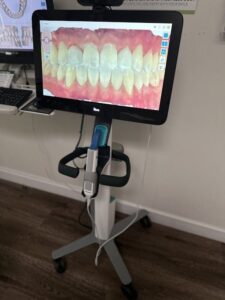
At Titan Dental, Dr. Thuy B. Le, a Diamond + Invisalign Provider, is committed to providing exceptional dental care, focusing on personalized and compassionate treatment. She strives to create a comfortable and welcoming environment for every patient, ensuring that each visit is tailored to meet individual needs and promote optimal oral health. Dr. Le’s dedication to using the latest dental technologies and adhering to the highest standards of safety and hygiene reflects her unwavering commitment to the well-being and satisfaction of her patients. Trust Dr. Le and the Titan Dental team to help you achieve and maintain a beautiful, healthy smile.
Introduction
You start Invisalign feeling excited. The trays click into place. Everything feels smooth and futuristic. Then, a few hours later, your teeth begin to feel tight. Maybe tender. Maybe slightly sore.
Your first thought?
“Is this normal?”
This question comes up almost daily at Titan Dental. Patients often struggle to determine whether their symptoms are expected movement or something more serious. That confusion can lead to unnecessary worry – or worse – ignoring a true problem.
This guide offers Invisalign discomfort vs real problems explained by Dr. Thuy B. Le in clear, practical language. You will learn what typical soreness feels like, what warning signs to watch for, and when it is time to call the office.
Because not all discomfort is dangerous. But not all pain is harmless either.
The First 72 Hours: The Early Invisalign Discomfort Timeline
Every Invisalign journey begins with pressure.
Teeth do not move without force. When you wear your aligners consistently – day and night, except for oral hygiene – your teeth respond to gentle, controlled pressure. That pressure signals your bone and supporting tissues to remodel. This is how movement happens.
The Early Invisalign discomfort timeline usually follows a pattern:
Day 1:
Mild tightness within a few hours of placing a new set of aligners.
Day 2–3:
Tenderness peaks. You may notice sensitivity when biting into firmer foods. Teeth can feel slightly loose. This is expected and temporary.
Day 4 onward:
Discomfort decreases. Teeth begin adapting to the new position.
When trays are changed on schedule, this pattern may repeat with each new aligner. However, most patients report that later trays feel easier than the first few.
This cycle is part of healthy tooth movement. It is not damaged. It is biology in motion.
Normal Invisalign Soreness vs Warning Signs
Understanding Normal Invisalign soreness vs warning signs is the key to staying confident during treatment.
What Normal Soreness Feels Like
- A dull, even pressure across several teeth
- Sensitivity when chewing
- Slight tightness when inserting a new tray
- Mild discomfort lasting 1 to 3 days
This type of soreness improves steadily. It does not worsen each day. It does not feel sharp or localized to one single tooth.
What Warning Signs Feel Like
- Sharp, stabbing pain in one specific tooth
- Throbbing pain that worsens over time
- Gum swelling or bleeding not related to brushing
- Cracked aligner edges cutting into tissue
- Severe jaw pain or clicking
- Sudden change in bite that feels unstable
When pain escalates instead of fading, it deserves attention.
At Titan Dental, Dr. Thuy B. Le always tells patients: Pressure should feel purposeful. Pain that feels alarming should never be ignored.
Invisalign Discomfort vs Real Problems Explained by Dr. Thuy B. Le
Let’s simplify this distinction.
Invisalign discomfort is usually:
- Even
- Temporary
- Predictable
- Manageable
Real problems are often:
- Localized
- Increasing
- Accompanied by swelling or sharp pain
- Disruptive to daily function
For example:
If multiple teeth feel sore after switching trays, that is movement.
If one tooth suddenly becomes extremely sensitive and painful to touch, that may indicate nerve irritation or pre-existing decay.
If gums feel mildly tender when adjusting to tray edges, that is adaptation.
If gums become inflamed, puffy, or painful, that may signal infection or poor aligner hygiene.
The goal of this article is not to create anxiety. It is to empower you to recognize patterns.
Invisalign discomfort vs real problems explained by Dr. Thuy B. Le always centers on one idea: discomfort fades. True problems intensify.
Why Invisalign Pressure Happens
Clear aligners apply controlled force to move teeth gradually. The surrounding bone softens slightly to allow repositioning. Once the tooth shifts, the bone stabilizes again.
This remodeling process can feel like:
- Tightness
- Mild pressure
- Slight tenderness
These sensations mean the aligners are working.
When aligners are worn all the time, except for oral hygiene, movement stays steady. Stop-and-start wear can increase soreness because teeth repeatedly adjust.
Consistency reduces unpredictability.
When Invisalign Pain Is Not Normal
Knowing When Invisalign pain is not normal can protect your oral health.
Pain may not be normal if:
- It prevents you from sleeping.
- It causes facial swelling.
- It persists beyond four to five days without improvement.
- It is concentrated in one tooth only.
- It is paired with fever or systemic symptoms.
Occasionally, aligners may reveal underlying dental conditions. A tooth with hidden decay or previous trauma may react more intensely to pressure.
In rare cases, aligners may not seat fully due to incomplete tracking. When trays do not fit snugly, force distribution changes. That uneven force can cause unusual discomfort.
If something feels significantly different from previous tray transitions, it is worth contacting your dentist.
Invisalign Issues That Need a Dentist Visit
While most soreness resolves naturally, some Invisalign issues that need a dentist visit include:
- Aligners that no longer fit properly
- Cracked or broken trays
- Severe gum irritation
- Sudden bite shift causing jaw discomfort
- Persistent tooth pain beyond expected adjustment time
- Attachments that fall off
Attachments help guide movement. If one detaches, force may become unbalanced. This does not always cause pain immediately, but it can affect progress.
Similarly, if aligners warp due to improper cleaning methods or heat exposure, they may not apply the right pressure.
Prompt communication keeps treatment predictable.
The Emotional Side of Discomfort
Not all discomfort is physical.
Many patients experience uncertainty. The mind amplifies unfamiliar sensations. When you are hyper-aware of your teeth, every pressure change feels magnified.
Dr. Thuy B. Le encourages patients to track patterns rather than moments. Ask:
- Is the discomfort decreasing daily?
- Is it similar to previous tray changes?
- Is it spread across multiple teeth?
If the answer is yes, it is likely normal.
Anxiety reduces when expectations are clear.
Comparing Invisalign Sensations to Traditional Braces
Clear aligners distribute force gradually and evenly. Traditional braces rely on wires and brackets that can create localized pressure after adjustments.
With Invisalign:
- No metal rubbing against cheeks
- No emergency wire poking
- Smoother transitions between stages
However, both systems rely on biological movement. Pressure is inevitable.
The difference lies in comfort consistency.
Managing Expected Discomfort
While mild soreness is common, there are healthy ways to ease it:
- Switch to a new tray before bedtime so peak pressure happens during sleep
- Stay hydrated
- Maintain gentle but thorough oral hygiene
- Use cold compresses externally if jaw muscles feel tired
Avoid over-the-counter remedies without consulting your dentist if discomfort seems unusual.
Remember, your aligners should always be worn consistently except during oral hygiene routines. Irregular wear increases adjustment shock.
The Role of Monitoring at Titan Dental
At Titan Dental, treatment does not end after trays are delivered.
Regular progress reviews allow Dr. Thuy B. Le to assess tracking, gum response, and bite alignment. These visits catch subtle changes before they become problems.
Monitoring ensures:
- Teeth are moving as planned
- Gums remain healthy
- Attachments remain secure
- Bite stability improves gradually
Clear aligner care is a guided journey, not a solo experiment.
Long-Term Comfort and Bite Stability
Some discomfort may also relate to bite changes during treatment. As teeth shift, your bite temporarily feels different.
You may notice:
- Back teeth touching first
- Front teeth not meeting evenly
- Slight jaw muscle fatigue
These shifts are transitional. As movement progresses, bite alignment stabilizes.
Persistent imbalance, however, should be evaluated.
Why Communication Matters
Many patients hesitate to call the office because they think soreness is expected.
But there is no penalty for asking.
When in doubt, reach out.
Invisalign discomfort vs real problems explained by Dr. Thuy B. Le emphasizes proactive communication. A quick check can prevent weeks of unnecessary stress.
Key Takeaways
- Mild, even pressure during the first few days of a new tray is normal.
- Discomfort that fades steadily is part of tooth movement.
- Sharp, worsening, or localized pain may signal a problem.
- Wear aligners consistently except for oral hygiene to maintain smooth progress.
- Contact Titan Dental if pain persists, trays do not fit, or gum changes occur.
Frequently Asked Questions
1. How long should Invisalign soreness last?
Most soreness lasts one to three days after starting a new tray. If pain continues beyond five days without improvement, contact your dentist.
2. Is it normal for one tooth to hurt more than others?
Slight variation can happen, but sharp pain in a single tooth may require evaluation.
3. Can Invisalign cause nerve damage?
In rare cases, pre-existing conditions may become noticeable during movement. Persistent throbbing pain should be examined promptly.
4. What should I do if my aligner feels too tight?
Tightness is common with new trays. If it feels extreme or does not seat properly, schedule a check to confirm proper fit.
5. How do I know if my discomfort is serious?
If pain increases instead of decreases, involves swelling, or interferes with sleep, it is time for professional evaluation.
Conclusion
Clear aligner treatment is built on controlled pressure. That pressure often feels unfamiliar at first, but it is usually part of a healthy transformation.
Understanding the difference between expected soreness and true warning signs allows you to move forward confidently. At Titan Dental, Dr. Thuy B. Le combines digital precision with attentive follow-up care to ensure your experience remains safe and predictable.
Your smile journey should feel guided – not uncertain. When you understand your body’s signals, you gain control over your treatment.
For directions, use Get Directions for step-by-step navigation
Remember: Mild pressure means movement. Persistent or worsening pain deserves attention. When unsure, communication is always the safest choice.
Disclaimer: This blog is for informational purposes only and does not replace personalized dental advice. Always consult Dr. Thuy B. Le or a qualified dental professional for concerns specific to your treatment.