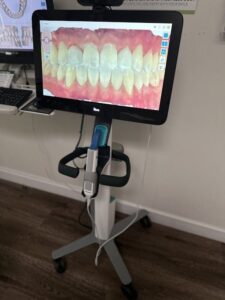
At Titan Dental, Dr. Thuy B. Le, a Diamond + Invisalign Provider, is committed to providing exceptional dental care, focusing on personalized and compassionate treatment. She strives to create a comfortable and welcoming environment for every patient, ensuring that each visit is tailored to meet individual needs and promote optimal oral health. Dr. Le’s dedication to using the latest dental technologies and adhering to the highest standards of safety and hygiene reflects her unwavering commitment to the well-being and satisfaction of her patients. Trust Dr. Le and the Titan Dental team to help you achieve and maintain a beautiful, healthy smile.
Introduction
A missing tooth rarely announces itself loudly at first. It starts quietly. A pause while chewing. A habit of favoring one side. A smile that feels slightly incomplete in photos. Over time, that small gap begins to influence daily comfort, confidence, and even how the jaw works during normal activities.
At Titan Dental, Dr. Thuy B. Le often explains that replacing a missing tooth is not just about filling the space. It is about restoring balance. Dental implants are designed to do exactly that by replacing what was lost beneath the surface, not just what shows above the gumline.
This guide explores dental implants in a way that feels practical and clear. Instead of listing definitions, it walks through how implants function, why their structure matters, and how they support everyday life. For anyone seeking clear missing tooth replacement education, this blog provides a grounded, easy-to-understand perspective.
Understanding Dental Implants From the Inside Out
To understand why dental implants feel different from other tooth-replacement options, it helps to start at the foundation.
A dental implant is not simply a visible tooth. It is a system designed to replace the entire structure of a natural tooth, starting below the gumline. This is where the artificial tooth root explanation becomes essential.
Natural teeth rely on roots embedded in the jawbone. When a tooth is lost, the root is lost as well. Without that root, the jawbone no longer receives stimulation and may begin to weaken over time. Dental implants are designed to step into that role, restoring support where it matters most.
Dr. Thuy B. Le often describes implants as quiet stabilizers. They work beneath the surface, supporting chewing, speech, and facial structure without demanding daily attention.
The Role of the Artificial Tooth Root
At the heart of every dental implant is the replacement root. This is where implants differ fundamentally from surface-level solutions.
The artificial tooth root explanation begins with understanding how force travels when you chew. Natural teeth transfer pressure through their roots into the jawbone. Dental implants are designed to mimic this process by anchoring securely within the bone itself.
This anchoring effect allows implants to feel steady during daily use. They do not rely on neighboring teeth for support. They do not rest on the gums alone. Instead, they become part of the structure that supports the bite.
This design helps preserve jawbone strength and maintains facial balance over time, which is why implants are often recommended for long-term stability.
Breaking Down the Titanium Dental Implant Structure
The success of dental implants depends heavily on material choice and design. The titanium dental implant structure plays a key role in how implants integrate with the body.
Titanium has been used in medical applications for decades because it is strong, lightweight, and well-tolerated by the body. When used in dental implants, titanium allows the jawbone to bond naturally to the implant surface, supporting long-term stability.
Dr. Thuy B. Le emphasizes that this bonding is not rushed. It occurs gradually, allowing the implant to become a secure anchor before the final tooth is placed.
The titanium component sits below the gumline, unseen but essential. Its role is structural rather than cosmetic, supporting everything that comes next.
Implant Anatomy: Abutment and Crown Explained Clearly
Once the implant root is secure, the visible part of the restoration begins to take shape. This is where implant anatomy abutment and crown come into focus.
The abutment acts as the connector. It attaches to the implant root and extends slightly above the gumline. This small component plays a large role by linking the hidden foundation to the visible tooth.
The crown is the final piece. It is custom-designed to match surrounding teeth in size, shape, and color. While the crown restores appearance and function, its strength depends entirely on the stability beneath it.
Together, these three parts create a system that functions as a complete tooth replacement, from root to surface.
Dental Implant Basics Explained Through Everyday Use
Rather than focusing on technical diagrams, Dr. Thuy B. Le often introduces dental implant basics by professional discussion through daily life scenarios.
Implants are designed to handle routine activities without special care instructions. Chewing, speaking, laughing, and smiling all feel natural because the implant does not shift or rely on removable support.
Unlike solutions that sit on the gums, implants remain stable during meals and conversations. This stability allows patients to return to habits they may have avoided after tooth loss.
The goal is not just replacement. It is restoration of confidence in everyday moments.
Why Structure Matters More Than Appearance
While many people think about tooth replacement in terms of appearance, structure is what determines comfort and longevity.
Dental implants replace what is missing below the surface, not just what is visible. This approach helps protect neighboring teeth, maintain jawbone integrity, and reduce uneven bite forces.
Dr. Thuy B. Le explains that long-term comfort comes from stability. When the foundation is secure, the visible tooth can perform naturally without constant awareness.
This structural focus is what makes implants a lasting option rather than a temporary fix.
How Implants Support Jaw Health Over Time
One of the lesser-known benefits of implants is their role in supporting jawbone health. When a tooth is missing, the bone beneath it no longer receives stimulation. Over time, this can lead to changes in facial structure and bite alignment.
Dental implants help restore that stimulation. By functioning like a natural root, they encourage the jawbone to remain active and strong.
This is a key reason why implants are often recommended as part of comprehensive missing tooth replacement education, especially for individuals seeking long-term solutions.
The Emotional Side of Tooth Replacement
Tooth loss affects more than chewing ability. It can influence how people speak, smile, and interact socially. Many patients describe feeling more guarded after losing a tooth.
Dental implants offer a sense of permanence that can be emotionally reassuring. There is no daily removal. No shifting. No concern about movement during conversations.
Dr. Thuy B. Le often notes that confidence returns quietly. Patients stop thinking about their teeth and start focusing on life again.
Who Can Benefit From Dental Implants?
Dental implants are considered for individuals who have lost one or more teeth and are seeking a stable replacement. Overall oral health, bone support, and individual goals are evaluated before planning treatment.
While not every situation is the same, implants offer flexibility for single teeth, multiple teeth, or larger restorations when appropriate.
A personalized consultation helps determine whether implants align with a patient’s needs and expectations.
Key Takeaways
- Dental implants replace the full tooth structure, not just the visible portion
- The titanium dental implant structure supports strength and long-term stability
- Understanding implant anatomy abutment and crown explains why implants feel natural
- The artificial tooth root explanation highlights how implants support jaw health
- Implants provide functional comfort during daily activities without special maintenance
FAQs
1. What makes dental implants different from other tooth replacements?
Dental implants replace the root and the visible tooth, creating stability that supports chewing and comfort more naturally.
2. How long do dental implants last?
With proper care, dental implants are designed to function for many years, often decades.
3. Is the implant visible after placement?
No. The implant itself is placed below the gumline. Only the crown is visible.
4. Does the titanium material cause reactions?
Titanium is widely used in medical applications because it is well-tolerated by the body.
5. Can a single missing tooth be replaced with an implant?
Yes. Dental implants are commonly used to replace individual missing teeth without affecting neighboring teeth.
Conclusion
Dental implants offer more than a way to replace a missing tooth. They restore the complete structure that supports comfort, function, and long-term oral health. By addressing what happens beneath the gumline, implants help preserve jaw strength, maintain facial balance, and allow everyday activities like eating and speaking to feel natural again. As Dr. Thuy B. Le emphasizes at Titan Dental, successful tooth replacement is about stability and confidence that lasts. With thoughtful planning and top care, dental implants provide a reliable path back to a smile that feels whole, balanced, and effortless in daily life.
Remember: Replacing a missing tooth is not just about appearance. It is about restoring balance, comfort, and confidence in everyday life. A well-designed implant supports both function and long-term oral health.
Disclaimer: This content is for educational purposes only and does not replace professional dental advice. Treatment decisions should always be made in consultation with a qualified dental professional.