At Titan Dental, Dr. Thuy B. Le, a Blue Diamond Invisalign® Provider, is committed to delivering exceptional dental care with a focus on personalized, compassionate treatment. She strives to create a comfortable, welcoming environment for every patient, ensuring each visit is tailored to individual needs and promotes optimal oral health. Dr. Le’s dedication to using the latest dental technologies and adhering to the highest standards of safety and hygiene reflects her unwavering commitment to her patients’ well-being and satisfaction. Trust Dr. Le and the Titan Dental team to help you achieve and maintain a beautiful, healthy smile.
Introduction
Every child’s smile grows with them. It changes through the loss of baby teeth, the arrival of permanent teeth, and the natural development of the jaws and facial structure. While many parents expect this journey to unfold without interruption, there are times when a child’s smile begins sending early signals that additional guidance may be beneficial.
Perhaps the front teeth overlap before all the adult teeth have arrived. Maybe the upper and lower jaws are not growing together as they should. Some children develop bite problems from prolonged thumb sucking, while others experience crowding that leaves little room for incoming permanent teeth. In situations like these, waiting until the teenage years is not always the best option.
At Titan Dental, Dr. Thuy B. Le believes that early evaluation can create opportunities to guide healthy development before small concerns become larger challenges. Rather than waiting for every permanent tooth to appear, Phase 1 treatment focuses on supporting natural growth during a child’s most important developmental years.
This approach is not about rushing into treatment. It is about understanding what a child’s smile may need today to create a healthier tomorrow. Understanding children’s orthodontic needs with Dr. Thuy B. Le helps families make informed decisions that support both oral health and confidence as their children grow.
Looking Beyond Baby Teeth
Many parents assume that baby teeth are temporary and therefore less important. In reality, these teeth act as natural placeholders that guide the eruption of permanent teeth and influence jaw development. When one of these natural guides is lost too early or when the jaws develop unevenly, future alignment problems can become more complicated. Early intervention allows these concerns to be monitored and, when appropriate, managed during active growth.
Dr. Thuy B. Le’s explanation of early orthodontic intervention centers around a simple philosophy: working with growth is often easier than correcting problems after growth has finished. The American Association of Orthodontists recommends that children receive an evaluation around age seven. At this stage, enough permanent teeth have appeared to identify developing concerns while significant growth still remains.
What Is Phase 1 Treatment?
Think of Phase 1 treatment as creating a stronger foundation for the future. Instead of focusing only on straight teeth, this stage supports proper jaw growth, improves bite relationships, and creates room for incoming permanent teeth. In many cases, it can reduce the complexity of future treatment.
Children who benefit from this approach may have:
- Crowded teeth
- Crossbites
- Underbites
- Open bites
- Narrow dental arches
- Early loss of baby teeth
- Jaw growth differences
- Habits such as prolonged thumb sucking
Dr. Thuy B. Le’s overview of Phase 1 orthodontic treatment for kids emphasizes that every child is unique. Some children simply need observation, while others may benefit from early guidance during critical developmental years.
Different Types of Phase 1 Treatment
One of the most interesting aspects of early care is that there is no single solution for every child. Treatment is personalized according to growth patterns and dental development.
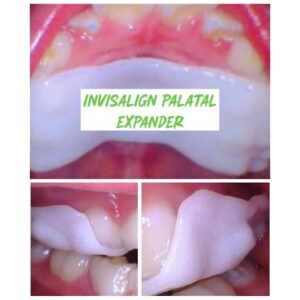
- Palatal Expansion Imagine trying to organize a bookshelf that is too small for all the books. No matter how carefully you arrange them, there simply is not enough space. A narrow upper jaw can create a similar challenge for permanent teeth. Palatal expansion gently widens the upper arch, creating additional room and improving the relationship between the upper and lower jaws.
This approach may help children who experience:
- Severe crowding
- Crossbites
- Difficulty biting comfortably
- Limited space for adult teeth
Many parents are surprised by how gradually and naturally this process works because it takes advantage of a child’s growing anatomy. Kids’ Phase 1 orthodontic guidance from Dr. Thuy B. Le often includes discussions about whether arch development could benefit a child’s future smile.
- Clear Aligners for Selected Cases Modern technology has expanded the possibilities for younger patients. Certain children may be candidates for clear aligners designed for growing smiles. At Titan Dental, Dr. Thuy B. Le carefully evaluates whether this option is appropriate based on the child’s age, development, and dental needs. Children using aligners should wear them all the time, except for oral hygiene routines, to support consistent progress and predictable results. This modern approach allows many young patients to continue their daily activities comfortably while following their personalized treatment plan.
- Space Maintainers When a baby tooth is lost earlier than expected, nearby teeth may begin shifting into the empty space. A space maintainer acts as a guide, preserving the area needed for the permanent tooth to erupt correctly. This simple appliance can help prevent crowding and reduce future complications.
- Habit Correction Appliances Certain childhood habits can influence smile development over time. Thumb sucking, prolonged pacifier use, and tongue thrusting may contribute to bite problems if they continue beyond appropriate developmental stages. Special appliances can help children transition away from these habits while supporting healthier growth patterns.
The Parents’ Role in Success
Children thrive when they feel supported. Parents play an important role by encouraging good oral hygiene, attending scheduled appointments, and helping children understand why treatment matters. Positive reinforcement often transforms treatment into an exciting milestone instead of a stressful experience. Choosing Phase 1 orthodontics with Dr. Thuy B. Le means creating a partnership between the dental team, parents, and children, where everyone works toward the same goal.
Signs That May Indicate a Child Should Be Evaluated
Every child develops differently, but certain signs may suggest that an early assessment could be beneficial:
- Crowded or overlapping teeth
- Difficulty chewing
- Mouth breathing
- Early or late loss of baby teeth
- Teeth that do not meet properly
- Thumb sucking beyond early childhood
- Jaws that appear uneven
- Speech concerns related to bite development
Recognizing these signs early can create opportunities for simpler and more predictable care.
Why Timing Matters
There is a unique window during childhood when the jaws are actively growing. Working during this period often allows natural development to assist treatment, making certain corrections more efficient than they would be later in life. This does not mean every child needs treatment immediately. In many situations, monitoring growth is the best course of action. Phase 1 orthodontic care recommendations by Dr. Thuy B. Le focus on choosing the right time rather than simply the earliest time.
A Story of Growing Confidence
Many families visit Titan Dental because they notice small changes that gradually become larger concerns. A child who once smiled freely may begin hiding their teeth in photographs. Another may struggle to bite into food comfortably. Sometimes parents simply want reassurance that everything is developing normally. Through careful evaluation and personalized planning, Dr. Thuy B. Le helps families understand what is happening today and what could happen tomorrow. The goal is not perfection. The goal is healthy development that supports long-term function and confidence.
Looking Ahead to Phase 2
Phase 1 treatment is often followed by a resting period while additional permanent teeth erupt. Some children may benefit from Phase 2 treatment later, while others may require only minimal additional guidance. Because early treatment addresses foundational concerns, later care can often become more straightforward and efficient. Dr. Thuy B. Le’s approach to early orthodontic treatment is designed to support a child’s natural growth while planning for lifelong oral health.
Key Takeaways
- Early evaluations can identify developing concerns before they become more complex.
- Phase 1 treatment supports healthy jaw growth and proper tooth development.
- Different solutions, including palatal expansion, aligners, and space maintainers, may be recommended depending on individual needs.
- Monitoring growth is just as important as active treatment.
- Understanding children’s orthodontic needs with Dr. Thuy B. Le helps families make informed decisions for long-term oral health.
Frequently Asked Questions
1. At what age should a child have their first Phase 1 evaluation?
Most children benefit from an evaluation around age 7 because enough permanent teeth have appeared to assess growth and development.
2. Does every child need Phase 1 treatment?
No. Many children only require observation. Treatment is recommended only when it offers a meaningful benefit.
3. How long does Phase 1 treatment usually last?
The length varies depending on the child’s needs, but many treatment plans range from 7 months to about 1 year.
4. Can clear aligners be used for children?
Certain younger patients may be candidates for aligners, depending on their developmental stage and treatment goals.
5. What happens after Phase 1 treatment?
Many children enter a monitoring phase while their permanent teeth continue to erupt. Additional treatment, if needed, is planned at the appropriate time.
Conclusion
A child’s smile is constantly evolving, and early years offer valuable opportunities to guide that development. Phase 1 treatment is not about treating every child the same way. It is about understanding individual growth patterns and providing support when it can make the greatest difference. At Titan Dental, Dr. Thuy B. Le combines modern technology, careful evaluation, and compassionate care to help families navigate this important stage with confidence. Whether a child needs active treatment or simply ongoing observation, having the right information empowers parents to make decisions that benefit their child’s future. By recognizing concerns early and working with natural growth, many children can enjoy healthier smiles and improved function for years to come.
Want to schedule an appointment now? Follow our directions, use this helpful Google Maps link, or get step-by-step navigation via Get Directions.
We serve Santa Ana, Tustin, Tustin Foothills, Anaheim, Garden Grove, Placentia, Fullerton, Irvine, Yorba Linda, Fountain Valley, Westminster, Stanton, Costa Mesa, Brea, and Buena Park, California.
We also proudly serve the City of Orange, the City of Irvine, the City of Villa Park, the City of Anaheim Hills, and our neighboring communities.
Remember: Every child grows differently, and every smile follows its own timeline. An early evaluation does not always mean treatment is necessary, but it provides valuable insight into how a child’s smile is developing. Working with a trusted dental team can help families make thoughtful decisions that support healthy growth and long-term confidence.
Disclaimer: This article is intended for educational purposes only and should not replace professional dental advice, diagnosis, or treatment. Always consult a qualified dental professional to determine the most appropriate care for your child’s individual needs.